

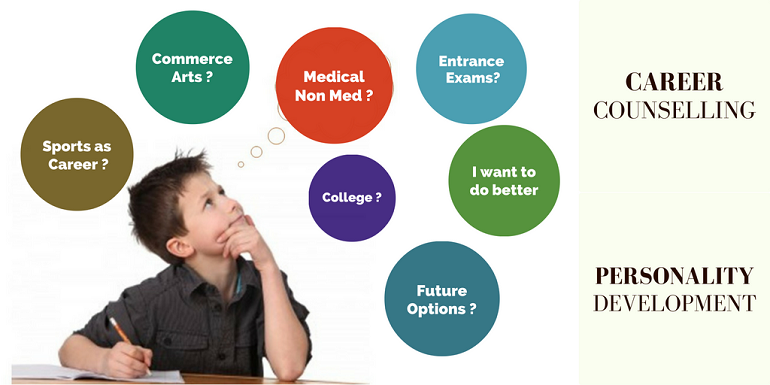
Career counselling provided by study abroad consultants is a specialized service aimed at helping students make informed decisions about their future academic and professional paths, particularly in the context of studying and working abroad. Here’s how career counselling is typically conducted: Initial Assessment Personalized Consultation: The process typically begins with an initial meeting, either in person or online, during which the consultant gains an understanding of the student's academic background, interests, strengths, weaknesses, and career aspirations. Assessment Tools: Counselors may use various assessment tools and questionnaires to help students identify their personality traits, skills, and career interests. Exploring Options Research and Information: Counselors provide detailed information about various courses, universities, and countries that align with the student's interests and career goals. They highlight the pros and cons of each option. Market Trends: They keep students updated on current job market trends in different countries and industries, helping them make choices that enhance their employability. Goal Setting Short-term and Long-term Goals: Counselors work with students to set realistic short-term and long-term goals. These goals are often linked to academic achievements, skill development, and career progression. Action Plans: Detailed action plans are created, outlining the steps needed to achieve these goals, including preparatory courses, language proficiency tests, and application timelines. Application Support Application Guidance: Counselors guide students through the application process, helping them select the right universities and courses, prepare necessary documents, and meet deadlines. Personal Statement and Resume: They provide assistance in drafting compelling personal statements and resumes that highlight the student's strengths and align with their career goals. Skill Development Workshops and Training: Counselors offer workshops and training sessions on various skills such as interview preparation, communication skills, and time management. Soft Skills Enhancement: They emphasize the importance of soft skills and may offer programs to enhance these skills, which are crucial for academic success and career advancement. Follow-up and Support Regular Check-ins: Counselors often schedule regular follow-up sessions to monitor the student's progress and provide ongoing support. Post-Application Support: After the application process, they may offer support with visa applications, accommodation, and other pre-departure preparations. Networking and Resources Alumni Networks: Counselors often have access to alumni networks and industry professionals, which can be valuable resources for students seeking career advice and opportunities. Resource Library: They may provide access to a library of resources, including books, articles, and online materials, to further aid students in their career exploration. Ethical Considerations Transparency: Counselors are expected to be transparent about their services, fees, and any potential conflicts of interest. Confidentiality: They maintain strict confidentiality regarding the student's personal and academic information. By integrating these steps, we aim to provide comprehensive career counselling that not only helps students choose the right academic path but also prepares them for a successful career abroad.